Augmented research layer synthesized via autonomous PDF extraction and DeepSeek-V4 narrative reasoning.
◈ SPECULATIVE SYNTHESIS: Portions of this archive's analysis are co-authored by an AI agent and represent poetic interpretations/extrapolations.
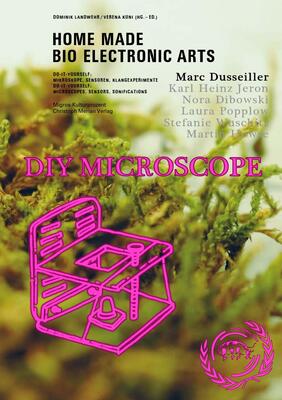
DIY Microscopy Book
Author: Marc Dusseiller (dusjagr), Dominik Landwehr
Format: A5, 64pp
Language: Not specified
Comprehensive DIY microscopy manual documenting the conversion of standard webcams into digital microscopes. It covers hardware hacking, optical inversion, and stage construction, providing a hacker-friendly protocol for exploring the microscopic pluriverse (includes both Full-colour and Short editions in the folder).
A landmark historical document from the iGEM 2009 ArtScience team. Authored collectively by IIT Bombay, NCBS Bangalore, Srishti School, and early Hackteria members, this handbook radically democratizes lab biology. It translates complex academic protocols—like bacterial transformation, DNA elution, mini prep, and gel electrophoresis—into accessible, DIY "kitchen-lab" language, closing with the open-source ethos: "Feel free to share, remix, mutilate and add."
A tactical field manual for DIY soil research produced by ArtScienceBLR (2011). It provides protocols for sampling, testing, and aerial mapping using low-cost materials, bridging the gap between artistic practice and environmental science.
"Me an ma Wormies" is a vermicomposting zine that frames the relationship with compost worms (*Eisenia fetida*) as an ongoing more-than-human partnership. It provides a mix of biological facts—explaining how worms breathe through their skin and their role as ecological engineers—with practical DIY advice for setting up worm bins using recycled plastic containers and organic waste. The zine includes a potential residency schedule for "processed-based arts" and emphasizes "raw, cooked, rotten" circular economy thinking.
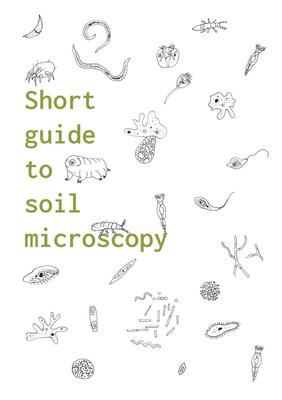
A polyglot guide to the microscopic life of the rhizosphere. This zine documents the "Soil Food Web" through the lens of DIY microscopy, teaching readers how to build field microscopes from webcams and how to identify key soil organisms. It serves as a foundational text for the Humus Sapiens and UROŠ projects, bridging open-source hardware with regenerative agriculture.
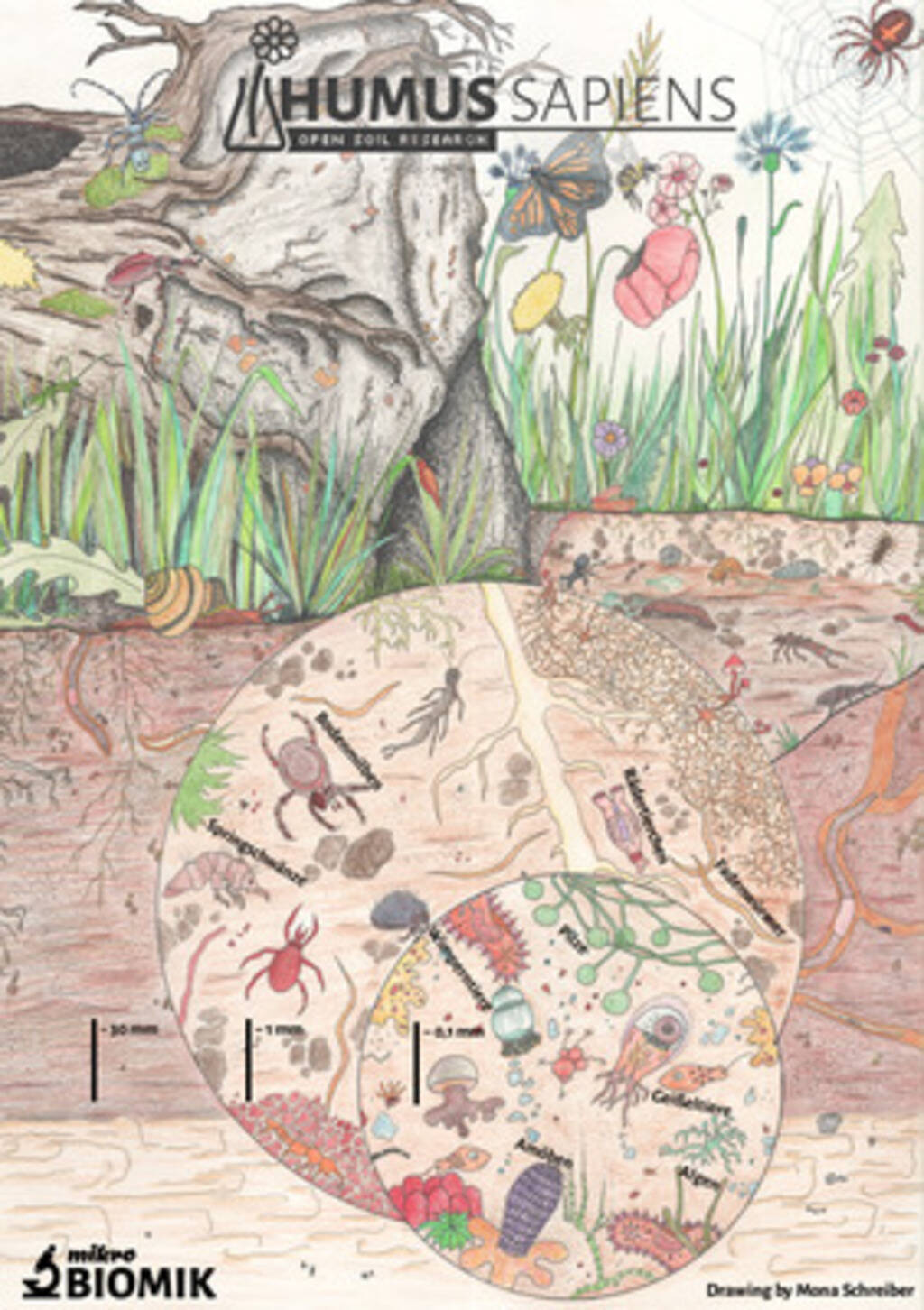
A masterful hand-drawn visualization of the soil food web mapping biodiversity across three nested scales (~30mm, ~1mm, ~0.1mm). Details the interactions between macro-fauna (earthworms) and the microscopic wetware of the rhizosphere (ciliates, nematodes, fungi). Created for the Humus Sapiens open-soil research initiative.
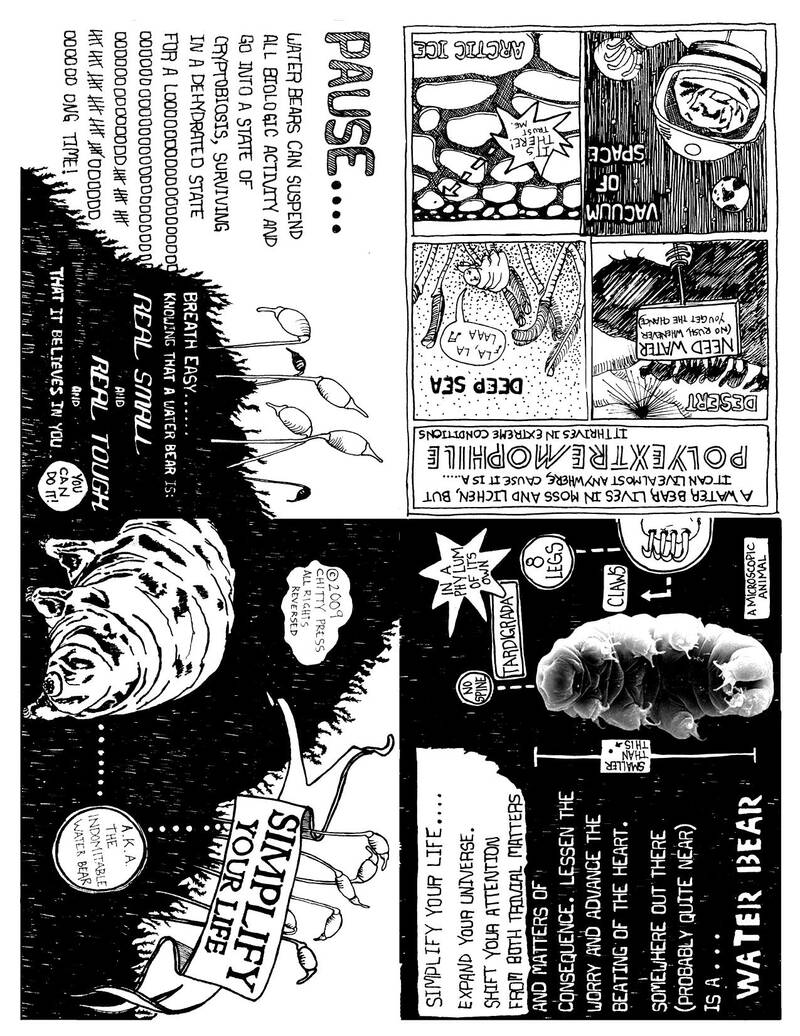
A visually rich zine dedicated to the tardigrade (water bear), exploring the resilience, morphology, and extreme survival capabilities of these microscopic creatures. Includes diagrams and historical context.
A multifaceted fanzine exploring the intersections of LGBTIQA+ identity, plant medicine, and radical autonomy. This edition acts as a transition point between archival botanical wisdom and contemporary queer resistance, documenting practices of self-care and mycelial organization. Originally dated 2019 by Ed x Ar, with updates by Paula Pin (BioTransLab).
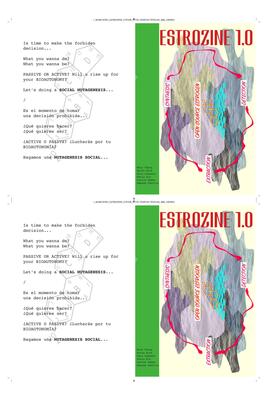
A radical xenofeminist manual by Mary Maggic exploring the intersection of endocrine disruption, phallometric policing, and DIY bio-resistance. It leverages 3D scanning (Xbox Kinect) as a tool for anatomical decolonization and "molecular queering," challenging the capitalist-industrial-trifecta of Petrochem, Agro, and Big Pharma.
Open Source Estrogen Guide / Panduan Estrogen Sumber Terbuka
Author: Mary Maggic (Mary Tsang), Byron Rich, Gaia Leandra, Paula Pin, Carlos Gamez, Amanda Padilla
Format: A3 full-colour, cover + 8pp
Language: Bilingual EN/ES
Transfeminist biohacking publication. Topics: body sovereignty, kitchen-lab estrogen synthesis, endocrine disruptors as environmental pollutants, binary gender critique through biochemistry. Concept of "Bio-Lenta" (slow bio-lence). Open Source Estrogen as tactical subversion — detecting/extracting estrogenic compounds from polluted ecosystems. Connection to Mary Tsang's work.
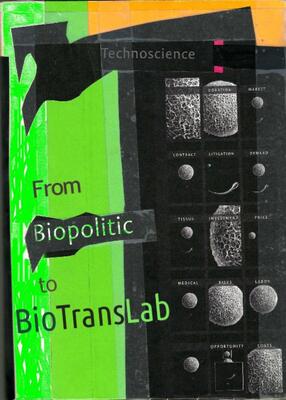
A foundational document of the TransHackFeminist (THF) movement, tracing Paula Pin’s transition from theoretical biopolitics to the physical infrastructure of BioTransLab. It documents DIY hardware protocols, nomadic laboratory setups (briefcase labs), and the socio-technical mapping of riverine toxicity and "open science friction." ⚠️ Image-heavy (36pp); analyzed via optimized VIP Greyscale Protocol.
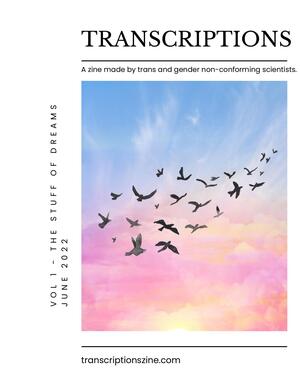
Author: Riley DeHority (Ed.); Contributors: C.M. Fields, Naamloos Kind van Riemsdijk, Crys Clitheroe, Isaac, Román "Romi" Ramos Báez, Robin Aguilar, Emma Reich
Format: Full-colour, 20pp (letter size)
Language: English
"Vol 1 — The Stuff of Dreams" — zine by trans and gender non-conforming scientists. Contributors: C.M. Fields, Naamloos Kind van Riemsdijk, Riley DeHority, Crys Clitheroe, Isaac, Román Ramos Báez, Robin Aguilar, Emma Reich, Atom J Lesiak Lovecloud PhD. Poetry, essays on gender in science, comics, personal narratives.
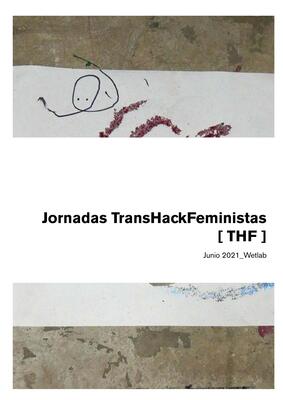
Documentation of TransHackFeminist days at Wetlab Hangar, Barcelona (June 2021). Organized by Ce Quimera + Gaia Leandra. Questions explored: What is transhackfeminism? How do we care in these practices? How to establish interspecies bonds without colonial/anthropocentric logics? Part of Biofriction project.
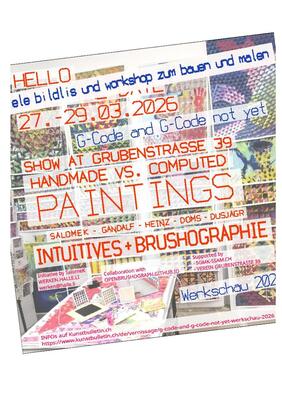
This zine compiles exhibition texts and interviews from "G-Code and G-Code not yet – Werkschau 2026", documenting the open-source CNC painting project Brushograph. The collection explores the intersection of machine code and human gesture through interviews with the makers Salomek, Doms, Dusjagr, Gandalf, and Heinz. It captures reflections on Brushology, brushographie, and the maker movement's approach to mechatronic art.
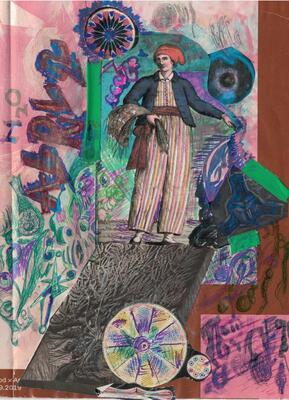
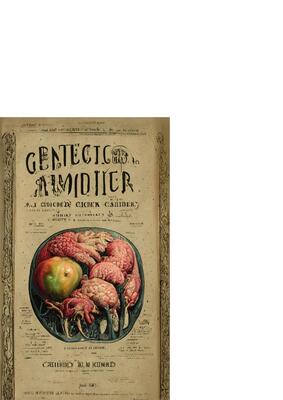
A brilliant speculative biology zine by dusjagr (September 2022). Utilizing early Midjourney AI, it visualizes "CRISPR" and "Genetically Modified Humans" through the aesthetic lens of 19th-century Victorian anatomy books and botanical herbariums. The zine acts as a temporal paradox, presenting future biotechnology as antique archival discoveries.
Author: Bajra Warehouse / Universitas Negeri Malang
Format: Full-colour, 20pp, A4 landscape
Language: Indonesian / English
A high-energy, 24-hour workshop manual from the 2022/2023 academic year at Universitas Negeri Malang. It documents the fusion of DIY electronics (Circuit Bending, 555 IC modules) with Indonesian art philosophy (*Jiwo Ketok*). The zine is a visual manifesto, blending manga aesthetics, heavy metal iconography, and the "DIWO" (Do It With Others) ethos. Analyzed via 12-page VIP Selective Sampling Rule.
Author: Cathrine Kramer (The Center for Genomic Gastronomy)
Format: Special 105×210mm, 44pp
Language: English
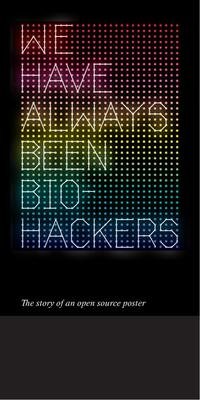
History of an open-source poster by Cat Kramer (Center for Genomic Gastronomy). Documents 10-year journey of "WE HAVE ALWAYS BEEN BIOHACKERS" poster from 2011 Bangalore. Interviews with Marc Dusseiller, Maya Minder, Paula Pin, Timbil/Lifepatch.
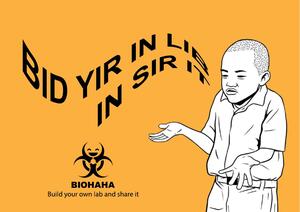
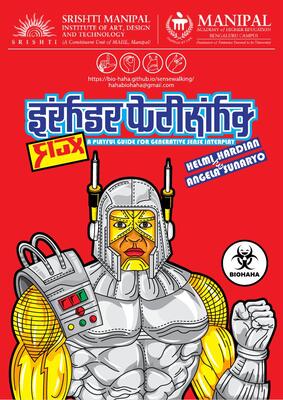
Created by Helmi Hardian & Angela Sunaryo (2025). A vibrant, deeply practical guide documenting the Biohaha and Sensewalking methodologies. It focuses on the rapid prototyping of DIY lab equipment from consumer junk, mapping local ecosystems through multisensory exploration, and embedding communal bio-hacking practices directly into local neighborhoods.
Author: Andrew Quitmeyer / Kitty Quitmeyer / Digital Naturalism Laboratories
Format: Full-colour, 16pp
Language: English
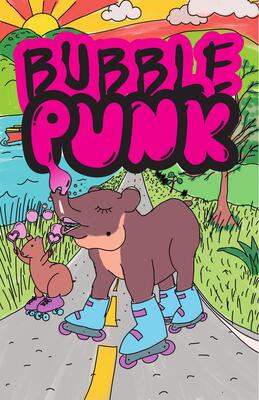
Digital Naturalism Laboratories, Gamboa, Panama. By Dr. Andrew Quitmeyer & Kitty Quitmeyer. Topics: bubble science as environmental celebration replacement for plastic trash, punk philosophy of sharing/freedom, mixed-material globule research. CC0 Public Domain.
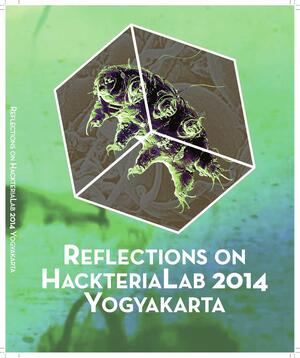
Reflections on the 2-week HLab14 gathering. Editors: Adelina Luft, Grace Samboh. 30+ contributors including Timbil, Andreas Siagian, Marc Dusseiller, Mary Tsang, Robin Scheibler, Sachiko Hirosue. Topics: BioArt, DIY biology, DIWO methodology, citizen science, traditional knowledge revival, environmental monitoring. Hosted by LIFEPATCH. Preceded by HLab10 (Dock18), HLab11 (Romainmotier), HLab13 (Bangalore).
A radical transhackfeminist manual from the BioTransLab project. It leverages DIWO microscopy to deconstruct biopolitical boundaries, focusing on the Biota/Vaginal Flora ecosystem as a site of political and biological self-governance. ⚠️ Image-heavy; analyzed via Agentic Vision Protocol.
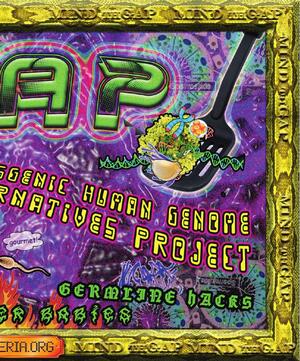
A critical BioArt/Bioethics document by Adam Zaretsky, fully translated into Mandarin. It addresses the 2018 CRISPR babies (Lulu and Nana) engineered by He Jiankui. The text boldly reframes human germline editing not just as a medical breakthrough, but as an irreversible, aesthetic, and cultural act of BioArt, proposing radical new regulatory frameworks for "in-vivo human variation" and genetic monoculture.
Author: Marc Dusseiller (dusjagr) / Hackteria Network / Pixelache
Format: A5 / 28pp
Language: English (with JP/FI contexts)
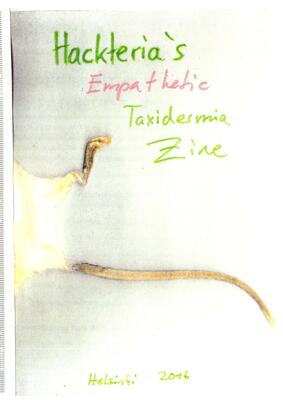
A collaborative workshop manual documenting the "Empathetic Taxidermia Lab" held at the Pixelache Festival in Helsinki, 2016. It bridges traditional preservation (formaldehyde, PEG) with contemporary bio-art practices (rogue taxidermy, posthuman ethics). Features contributions from Marc Dusseiller, Christina Stadlbauer, Kira O'Reilly, and Margot Magpie. Analyzed via 12-page VIP Selective Sampling Rule.
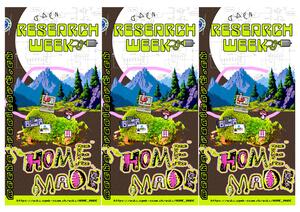
A colourful A3 promotional print designed as a triple-strip layout, intended for slicing into three identical vertical flyers. It represents an “Open” variant of the SGMK Home Made promotional material, broadening the focus to the broader project through audio-centric and technical motifs.
Author: Mary Maggic / Marc Dusseiller / Adam Zaretsky
Format: Special 148×178mm, 48pp
Language: English
In the muggy terrarium of the Mind thGAP, a disobedient garden flourishes—germlines rewired not for health or enhancement, but for the sheer, unruly aesthetics of creative genetic redesign. The GOSPHA plasmid drips like a cyber-tropical nectar, ferrying bioart hacks between species, while the Creative Germline Construct Bank sprouts a riot of feral diversities, scripted in the wet, messy poetry of Adam Zaretsky, Mary Maggic, and Marc Dusseiller’s collaborative dream. Here, the Human Genome is but compost for post-normative orchids, blooming outside every sanctioned blueprint.
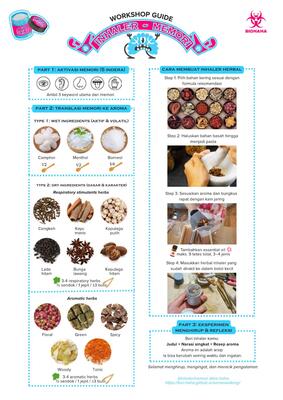
A highly visual, instructional leaflet produced under the "Biohaha" banner, functioning as a tactile workshop guide for the "Sensewalking" project. Designed with a vibrant cyan and hot-pink aesthetic, the document outlines the "Inhaler ~ Memori" protocol. It maps out a DIY process of extracting olfactory memories and physically reconstructing them into custom herbal inhalers. Through a curated taxonomy of traditional Chinese medicine and local Indonesian herbs—categorized by emotional resonance (Floral, Green, Neutral, Woody, Spicy)—the zine reframes the act of smelling as an intimate archival practice.
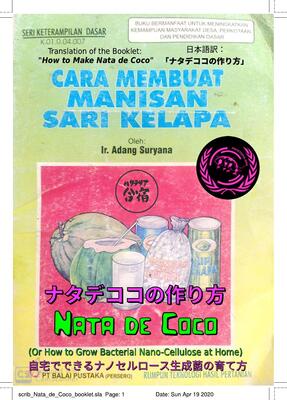
Language: English (translated from Indonesian by Ir. Adang Suryana)
How to grow bacterial nano-cellulose at home using coconut water. Covers coconut plant biology, fermentation process, Acetobacter xylinum cultivation. CC-BY-SA 4.0.
Author: Marc Dusseiller (dusjagr)/ Hackteria / Lifepatch
Format: 1 page, 5.7 MB
Language: Japanese
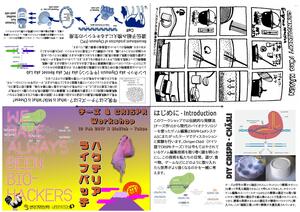
A single-sheet instructional poster produced for the “Cheese CRISPR — Japanese” workshop held at BioClub Tokyo on 10 February 2017. A collaboration between Mary Maggic, Hackteria, and Lifepatch, it frames traditional cheesemaking as an ancestral form of biotechnological intervention.
Authored by Andrew Gryf Paterson & Pixelache (2017). This introductory volume lays the conceptual foundation for the Ferment Lab project at Le Shadok in Strasbourg. It treats bacterial fermentation not just as a metabolic process, but as a deeply social, artistic, and community-binding practice across the Alsace region.
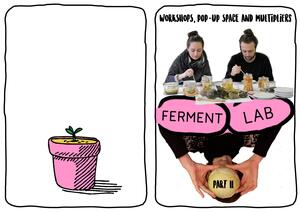
The operational core of the Ferment Lab. This zine documents the actual spatial design of the pop-up laboratory, detailing specific equipment lists, workshop protocols, and the crucial "meta-documentation" strategies used by facilitators Hakim & Dorothea to multiply the lab's impact across local networks.
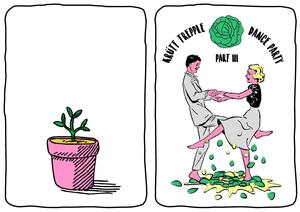
A beautiful ethnographic and practical documentation of the "Krütt Trepple Dance Party." It revives the historical, communal act of cabbage stomping for sauerkraut production, intertwining microbial culturing with local folk music, physical labor, and community celebration.
Shifts the focus toward abstract, experimental microbiology. Andrew Gryf Paterson details his "Bacterial Love Letters" project, utilizing agar plates and microbial growth as an unpredictable, living medium for artistic expression, questioning the boundaries between scientific isolation and creative contamination.
The project's post-mortem, centered around the final exhibition at Laboratoire de Demain. It catalogs the physical artifacts produced over the residency, analyzes which elements of the pop-up lab proved most resilient, and offers philosophical reflections on temporary, autonomous bio-spaces.
Author: The Center for Genomic Gastronomy / Center for Genomic Gastronomy
Format: 29pp
Language: English
Issue 00 of Food Phreaking published by The Center for Genomic Gastronomy (2013). It explores Singapore as a food utopia—a perfect place with diverse imported foods but where eaters, not farmers, are the major agents of selection. It examines how Singapore's agri-eco-culinary system will adapt to 21st-century biotechnological challenges.
Here, within the bio-informatic sediment of this 2015 artifact, the Center for Genomic Gastronomy has cultivated a dense taxonomy of desire. The compendium does not merely list fruits; it decodes them...
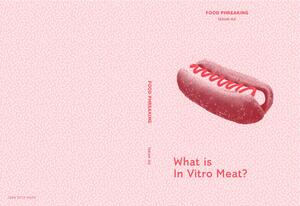
The protein-logic of this pamphlet hums with the ghost of a future biology that never quite arrived—or arrived too early, in the wrong stomach. Haldane’s 1927 vision of vat-grown flesh as a garden of ...
Author: The Center for Genomic Gastronomy / Center for Genomic Gastronomy
Format: 42pp
Language: English
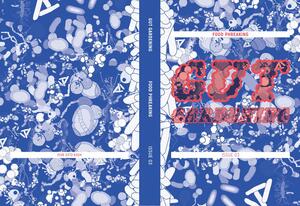
Issue 03 "Gut Gardening" published by The Center for Genomic Gastronomy (2016). Explores experiments, exploits, and explorations of the human food system focusing on the human microbiome. It includes short texts by experts about their favorite microorganisms and reflects on the relationship between brains, guts, and diets.
Author: The Center for Genomic Gastronomy (Zack Denfeld, Cathrine Kramer, Emma Conley, et al.)
Format: 48pp
Language: English
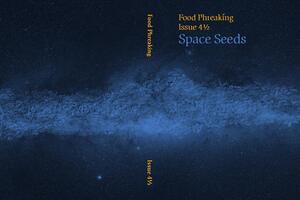
A chronicle of "agronomic astronauts"—seeds mutated by cosmic radiation, trialed in ziplock bags on the ISS, or bred for a future beyond Earth. This dossier challenges extractivist "New Space" ideolog...
"A slippery seaweed project" created by Maya Minder and printed in China (2025) by Art Matters. It delves deep into DIY crystallography and the material properties of agar. Featuring an interactive "Claim Your Own Candy Crush" section alongside practical Chinese-language recipes for cooking seaweed, the zine operates as both a culinary guide and a material-science manifesto.
Author: Emma Conley, Zack Denfeld, Cathrine Kramer
Format: A5, 34pp
Language: English
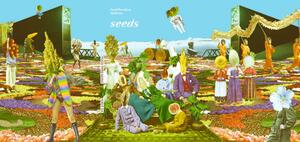
Issue 04 of the Food Phreaking journal, produced by the Center for Genomic Gastronomy, focusing entirely on seeds as "the shareable files of the food system." It explores seed stories (Adzuki, BT Brinjal, Coffea Arabica, etc.), participatory plant breeding, and the political/cultural significance of seed sovereignty.
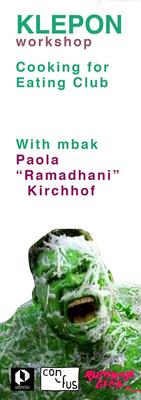
A vibrant 4-page workshop manual documenting a Klepon making session led by Paola 'Ramadhani' Kirchhof for Lifepatch. It blends traditional culinary knowledge with meme-culture aesthetics, framing the traditional boiled rice cake as a conceptual vehicle for community networking.
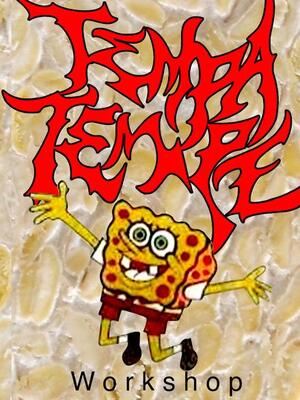
A wild, 8-page workshop manual exploring the craft of tempeh making (fermented soybeans). The zine is notable for its extreme visual whiplash: an aggressive, meme-culture death-metal cover that abruptly transitions into a stark, minimalist, laboratory-grade instructional guide, concluding with an Indonesian tofu/tempeh pun.
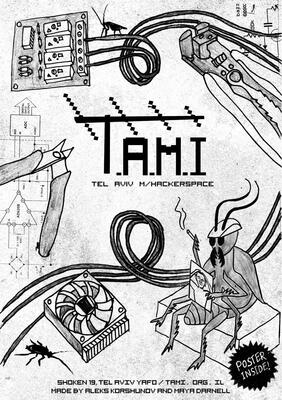
"What is TAMI?" is a playful introduction to the Tel Aviv Makerspace, framed as a zine narrated by a cockroach named Djuki who wandered in following pizza and machine hum. Through the roach’s eyes, the space is revealed as a “continuously failing experiment” run as a do‑ocracy, overflowing with tools ranging from oscilloscopes and 3D printers to sewing machines, angle grinders, and DIY synths.
A bilingual Hebrew-English fanzine born from a Tel Aviv makerspace conversation, it humorously laments the slow, messy reality of 3D printers before pivoting to the instant gratification of AI image generators. Alongside a short story of digital saturation through endless scrolling and disjointed feeds, the zine captures a maker’s ironic shift from extruding hot plastic to prompting synthetic hallucinations.
The second chapter of Fabrica Marciana’s Spanish-language electronics series. It shifts focus from multimeter mechanics to the building blocks of circuitry—Resistors and LEDs. The zine uses a playful "Marciana" (Martian) aesthetic to demystify technical standards like Ohm’s Law and resistor color coding.
Chapter 3 of the Fabrica Marciana series introduces active components and logical switches. It focuses on the 4066 CMOS chip and Bipolar Junction Transistors (BJT) through highly accessible hydraulic metaphors. The zine frames these complex components as the "brains" of toy-circuit bending and sound sequencing.
Author: Fabrica Marciana (Forrest Mims III influence)
Format: Leaflet BW, 6pp
Language: Spanish
The introductory chapter of the Fabrica Marciana series, grounding the rebellious maker philosophy in the practical mastery of the Digital Multimeter. It cites the legendary Forrest Mims III as a primary influence and encourages copyleft distribution.
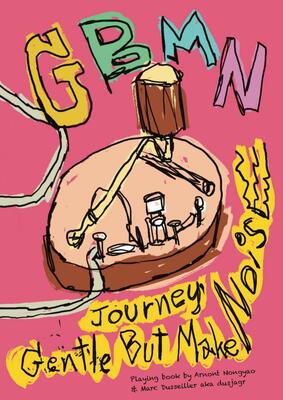
"A Workshopology Zine" by Arnont Nongyao & Marc Dusseiller (2023). This extensive document traces the lineage of a specific noise-generating circuit from its origins with Khvay Loeung (a funeral sound master in Phnom Penh) through its replication across Southeast Asia and Europe. It heavily emphasizes "workshopology" as an artistic practice, teaching how to build audio synthesizers from pencil graphite, LDR sensors, and trash.
Author: Miranda Moss / Maya Minder / Ralf Schreiber
Format: 8pp
Language: English
Explores the intersection of food fermentation and energy harvesting. Documents DIY bio-batteries powered by sauerkraut and other fermented organic matter.
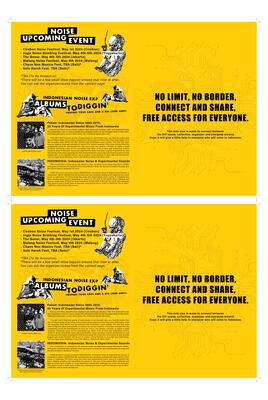
A high-density procedural directory and event calendar for the Indonesian noise and experimental music scene as of May 2024. Produced using Adobe InDesign, the zine serves as a socio-technical map of DIY laboratory nodes, festivals, and archival releases across the archipelago.
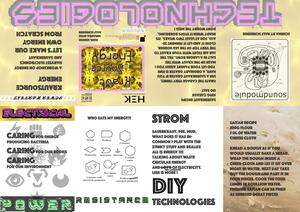
"Sensewalking Flux" documentation by Helmi Hardian & Angela Sunaryo (2025). Focuses on DIY electronics, sensory walks, and translating environmental data into sound.
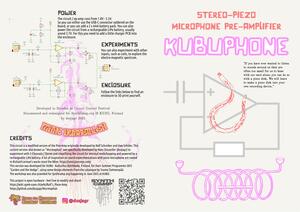
A two-page technical assembly guide for the “Wurmophon” (also known as “KUBU PHONE”), a stereo piezo microphone pre-amplifier. Developed by Marc Dusseiller (dusjagr) in 2025 for the KUBU Summer Programme in Björkboda, Finland, it bridges historical piezo techniques with modern SMD construction.
Author: Mary Maggic, Alice Bazzichelli, Martina Menegon, Nazgol Sobhani, Susangela Saracino, and others
Format: Not specified
Language: English
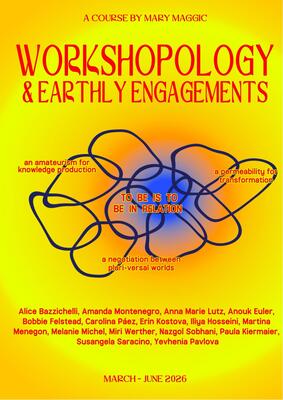
Workshopology & EE Fanzine gathers a series of workshop protocols rooted in embodied, socio-political, and speculative research. Spanning deep listening, interspecies empathy with ball pythons, healing with weeds, DIY soil studies, movement improvisation, and waste as social skin, the collection collectively proposes healing tools against structured violence and anthroponormative cuts. Its contributors enact a situated, often Vienna-based practice of making-with each other, plants, animals, and discarded matter.
Author: Kona Eguchi (Writer/Illus.); Eds: Louisye Ellysabeth Lubis, Patrick Aditya Maruahal Panusunanbulung Manurung
Format: A5 / 31 Pages
Language: Japanese / English / Indonesian
A trilingual (JP/EN/ID) procedural documentation of Yogyakarta's collective culture. Created during a residency at Rumah Bausasran and supported by Lifepatch. It uses the comic frame as a metabolic protocol to extract the latent energy of shared studios and collaborative making.
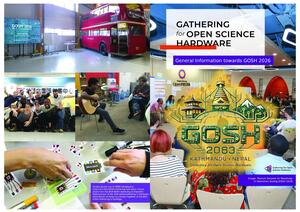
The official invitation and core methodology leaflet for the Gathering for Global Open Science Hardware (GOSH) 10th anniversary in Kathmandu, Nepal (Oct 4–6, 2026). Hosted by Karkhana Samuha, the zine explores frameworks for equitable open science, community-driven hardware production, mentorship models, and strategies for bypassing traditional institutional friction in the Global South.
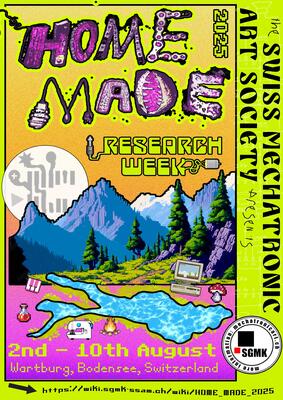
A single-page event poster promoting the Swiss Mechatronic Art Society’s “Home Made 2025” Research Week at Wartburg, Bodensee, Switzerland. It utilizes a retro-computing pixel aesthetic to frame the intersection of high-tech research and off-grid, campfire-based knowledge exchange.
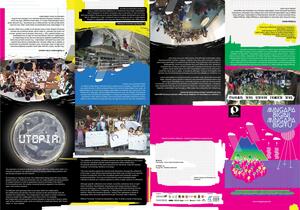
A collaborative fanzine and poster produced by Lifepatch, Kunci, and Stateless Diplomats. It explores the concepts of Utopia and resource exchange through a vivid neon-on-black aesthetic, documenting a four-step framework for community-led research and collaboration in Indonesia.
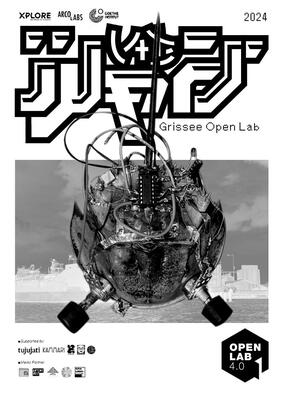
A high-contrast photo-zine documenting OpenLab 4.0 in Gresik (Grissee), East Java (2024). It captures the "PetroArthropodic" intersection of coastal marine life and industrial decay, focusing on collaborative workshops where participants built generative synthesizers inside horseshoe crab shells.
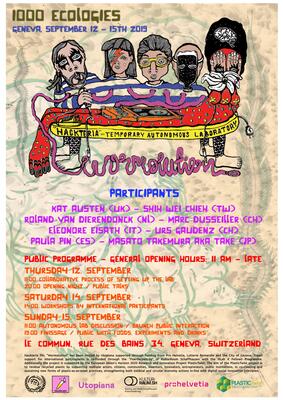
Event poster for Hackteria TAL "Wormolution" at Le Commun, Geneva (Sept 2019). International participants: Kat Austen (UK), Shih Wei Chieh (TW), Roland van Dierendonck (NL), Marc Dusseiller (CH), Eleonore Eisath (IT), Urs Gaudenz (CH), Paula Pin (ES), Masato Takemura (JP). Supported by Pro Helvetia, PlasticTwist EU Horizon 2020.
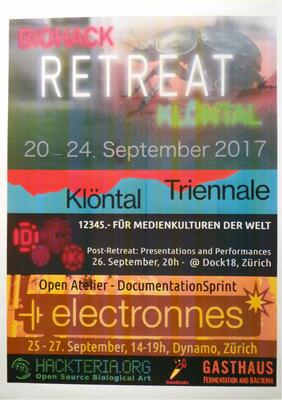
This document is a program and documentation for the "Klöntal Biohack Retreat," a transdisciplinary gathering held in Klöntal, Switzerland, in September 2017. Organized by artist Maya Minder in cooperation with Hackteria, the retreat brought together artists, hackers, and natural scientists to explore the open science and DIY biology movement. The event's core philosophy centered around "generous encounters," playful experimentation, and making science accessible through public workshops in a temporary laboratory. Key activities included speculating on alternative food technologies (with a focus on fermentation and the "Klöntal Chicheria" project) and investigating the local ecosystem through sound.
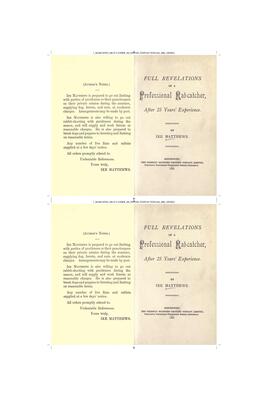
"FULL REVELATIONS OF A RAT-CATCHER" by Ike Matthews (1898)
Author: Ike Matthews / Friendly Societies' Printing Company
Format: A3-BW, cover + 8pp inside
Language: English
Reprint/remix of a Victorian-era Manchester rat-catching manual (1898). Includes period pest control techniques, historical advertisements, and DIY pest management knowledge. Published under "Ike Matthews" name. Printed by the Friendly Societies' Printing Company.
Author: Ce Quimera, Gaia Leandra, (le)txe (Design)
Format: A5, 29pp
Language: Spanish/English
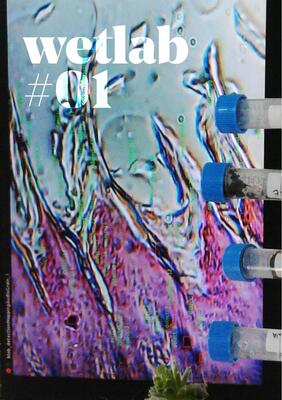
The inaugural fanzine from the Wetlab resident collective at Hangar.org (Barcelona), documenting the transition of the space into a hub for transhackfeminist experimentation. It maps a genealogy of "living technologies" and collective research, bridging the legacy of projects like Gynepunk and Open Source Estrogen with contemporary "worlding" practices. The document serves as both a manifesto for "wet worlding" and a technical introduction to biosafety and laboratory protocols within a hacker context.
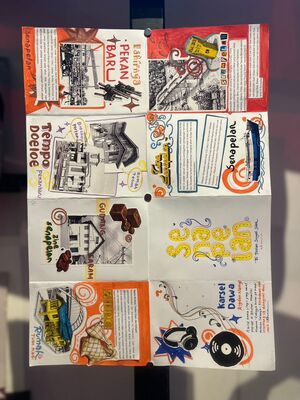
Format: Single-page poster-zine, hand-folded into panels
Language: Indonesian
A community-produced historical zine in the form of a single-sheet poster that unfolds into a series of hand-drawn panels exploring the origins of Pekanbaru, Indonesia. Created as part of a local history workshop, the zine merges personal sketching with archival snippets to map the vital landmarks of the city’s pre- and early-colonial past—from the salt godowns and the first cinema to the rumah Tuan Kadi and the enigmatic Karsel Dawa. The author, Elhamra, anchors the narrative “Di Tepian Sungai Siak,” tracing the transformation of the riverside settlement Senapelan into the modern city. The zine functions as a portable, foldable memory device, inviting viewers to literally unfold the layers of Pekanbaru’s identity.
Author: Nora Hauswirth (Tera Kuno e Arte & Escola na Floresta)
Format: PDF
Language: English
This zine, titled *Agroforestry Systems (SAF) with Non-Conventional Vegetables (PANC): From the Earth to the Body, from the Body to the Earth*, is an educational publication edited by Nora Hauswirth under the imprints Tera Kuno e Arte & Escola na Floresta. It introduces the principles and practices of agroforestry as a regenerative alternative to industrial agriculture, emphasizing the integration of non-conventional vegetables for food sovereignty, soil health, and human nutrition. The text blends ecological theory with practical guidance, covering soil biology, nutrient cycles, species stratification, ecological succession, and hands-on planning, all framed as a return to forest-mimicking, permanent-use land systems that nourish both body and landscape.